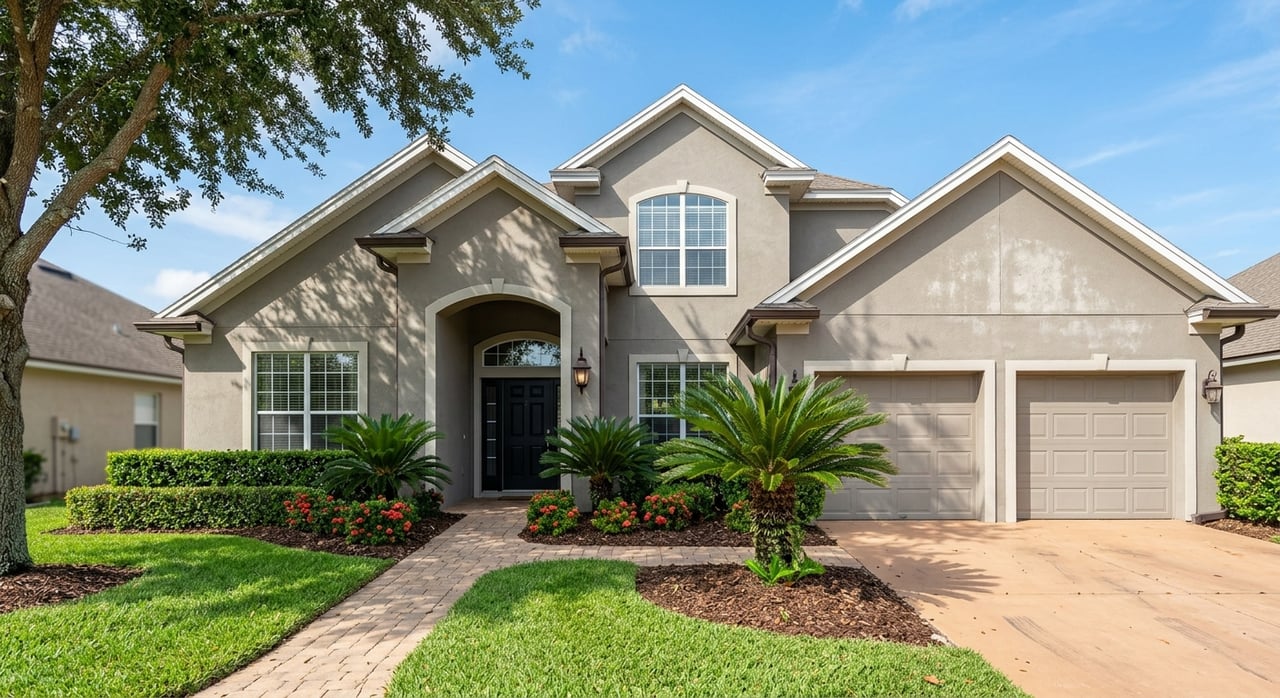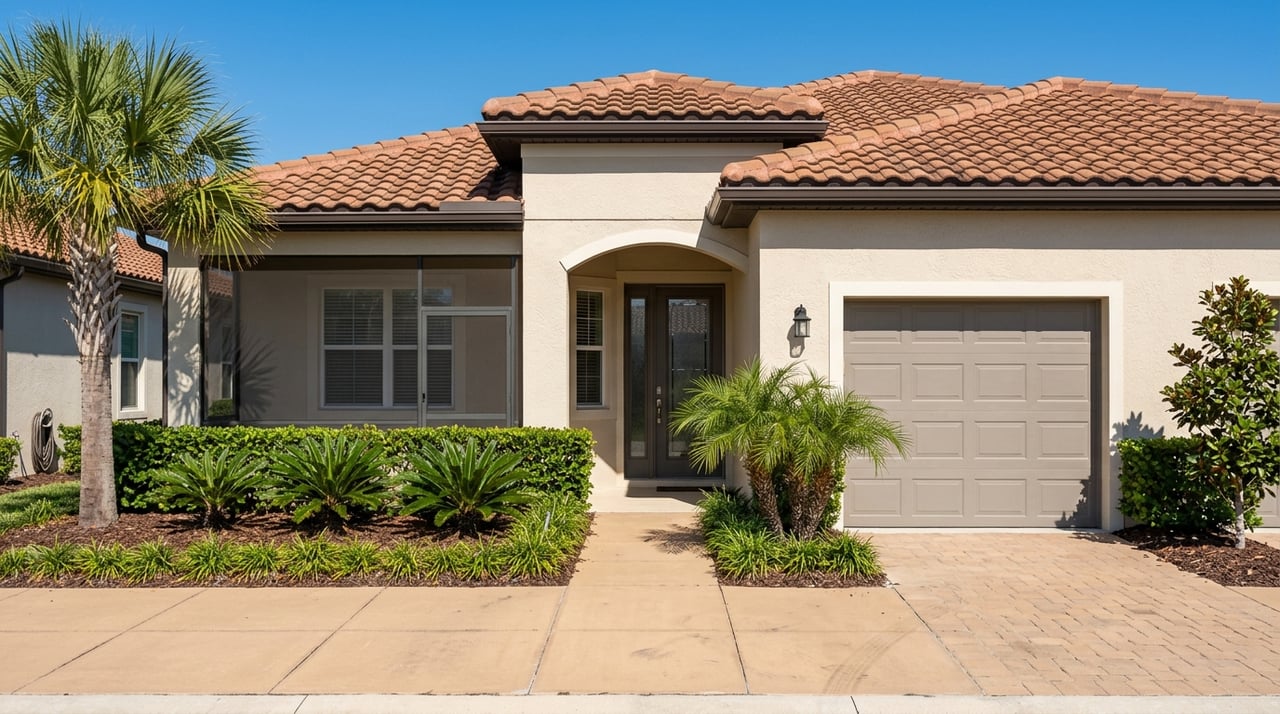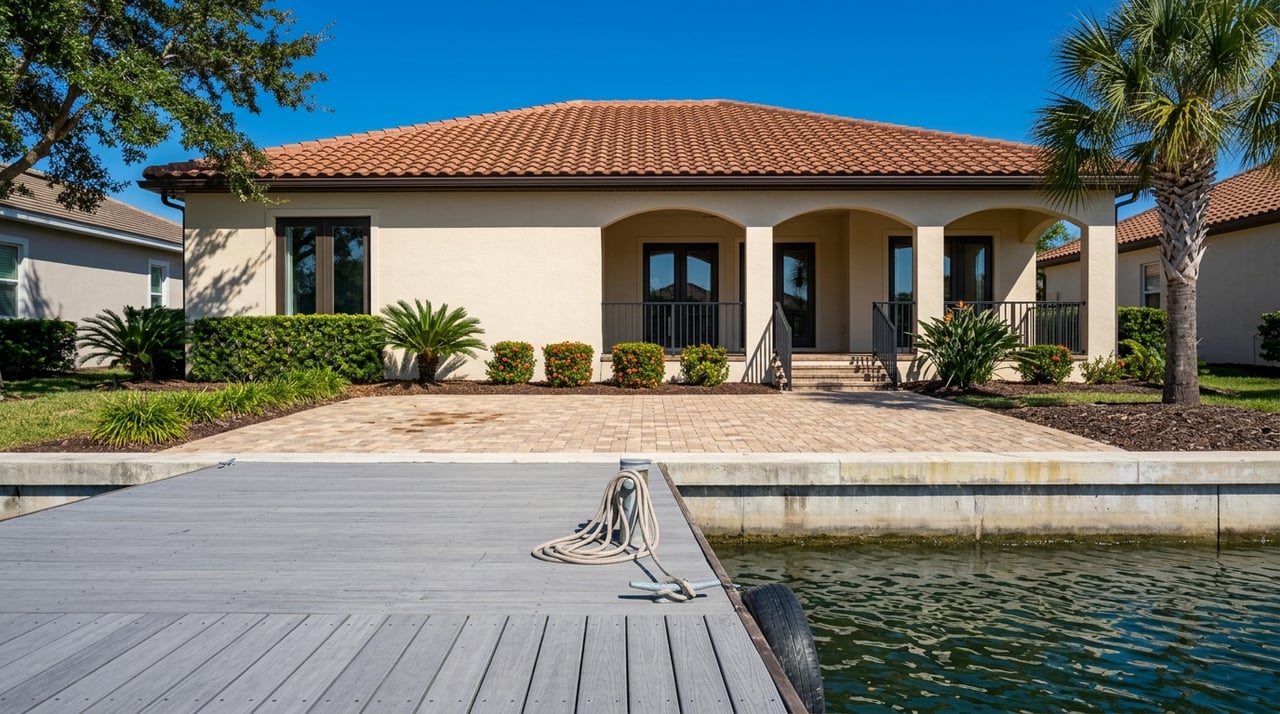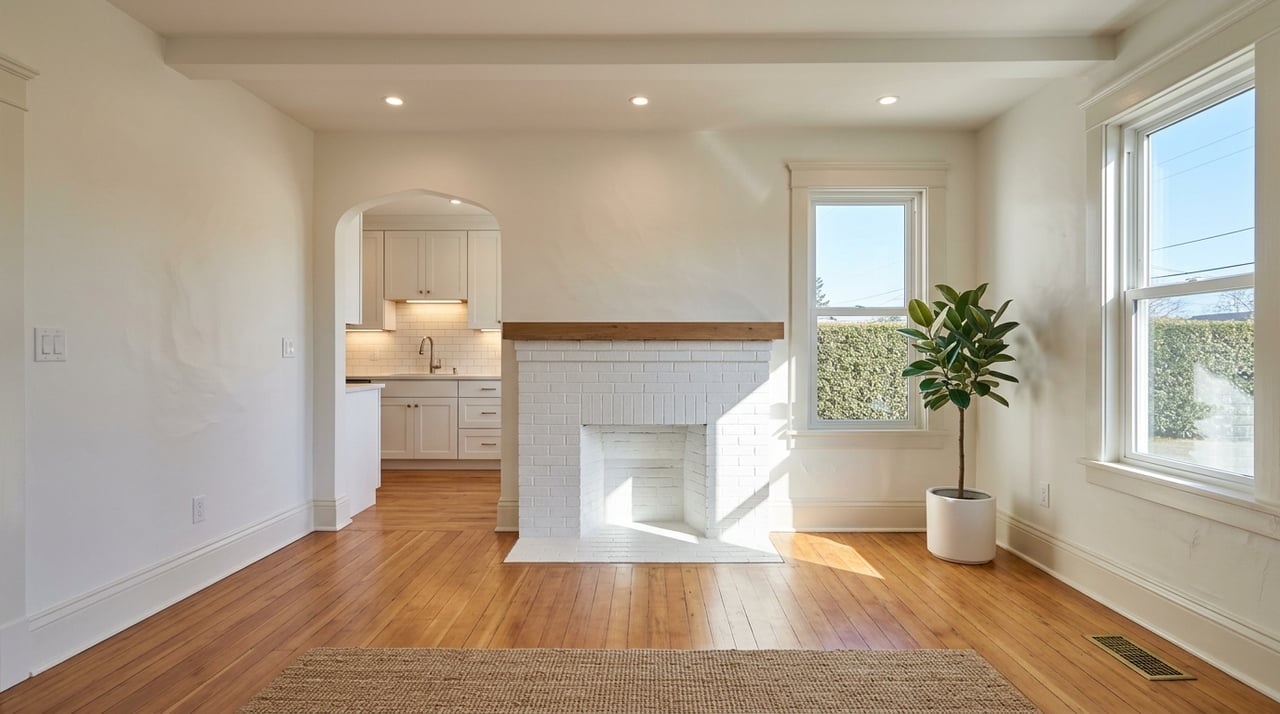
If you are torn between the charm of a historic home and the ease of a newer one in Winter Park, you are not alone. This is one of the most common trade-offs buyers face in a city known for both timeless character and evolving housing options. The good news is that when you understand how historic status, layout, upkeep, and local approvals can affect daily life, you can make a much more confident choice. Let’s dive in.
Why Winter Park Gives You Both Options
Winter Park has deep architectural roots. The city was chartered in 1887 as a winter resort community, and it still highlights its lakes, tree canopy, brick-lined streets, and historic homes as part of its identity.
That history shows up in the housing stock. According to the city, Winter Park has recorded more than 700 historic structures, representing about 7% of residential dwellings. For you as a buyer, that means the decision between historic and newer is not just about age. It is also about lifestyle, maintenance, design, and future plans for the property.
What “Historic” Means In Winter Park
Not every older home is considered historic in the same way. In Winter Park, a property generally needs to be at least 50 years old and have architectural, aesthetic, or historical value to qualify for local historic designation.
The city treats designation as an overlay to existing zoning. It says designation does not affect property valuations, does not require owners to restore or change the property, and does not involve fees for designation or for the review and variance process.
Winter Park Historic Districts
Winter Park’s citywide map shows four historic districts:
- College Quarter
- Downtown
- Virginia Heights East
- Interlachen Avenue
Downtown and Interlachen are also listed on the National Register of Historic Places. If you are considering an older home, it is worth confirming whether the property is simply older, locally designated, or located within one of these districts.
Historic Homes: What You May Love
Historic homes in Winter Park often include bungalows, four-squares, cottages, and older estates. These homes tend to offer details that many buyers find hard to replicate in newer construction, especially in established parts of the city.
You may be drawn to original millwork, inviting front porches, distinctive rooflines, or a floor plan with clearly defined rooms. In a place like Winter Park, the setting can also be part of the appeal, with mature streetscapes and architecture shaped by the city’s earlier growth periods.
Character And Separation
Older floor plans often create a different living experience than newer homes. Public rooms are often near the front of the house, while private or service spaces sit farther back or upstairs.
That layout can feel cozy and intentional. If you prefer separation between living areas, work-from-home space, or quieter room-to-room flow, a historic home may fit your lifestyle better than an open-plan build.
Historic Homes: What To Watch For
Character can come with added planning. If you love the look of an older home, make sure you also understand what it may take to maintain, update, and live in comfortably.
Older homes may have aging roofs, windows, HVAC systems, plumbing, electrical components, insulation, or drainage issues. A home inspection is a key part of the buying process because it can help uncover structural, mechanical, maintenance, or installation concerns before closing.
Energy Efficiency Can Be Different
Many older homes have less attic insulation than homes built today. The U.S. Department of Energy says a home energy assessment can help identify insulation gaps and air-sealing needs.
Air sealing and insulation can improve comfort and lower utility costs. ENERGY STAR estimates an average 15% reduction in heating and cooling costs when homes are air-sealed and insulated in key areas, which is especially relevant if you are comparing an older Winter Park home with a more recently built option.
Renovation Rules May Apply
If the property is a designated historic home, exterior changes are a different conversation from interior updates. Winter Park requires a Certificate of Review for exterior alterations and new construction on designated historic properties, while interior alterations are not reviewed by the Historic Preservation Board.
The city asks applicants to speak with staff before spending substantially on plans. Its review timeline calls for applications to be submitted at least 24 days before the board meeting, with action within 60 days of receipt.
Newer Homes: What You May Prefer
If your priority is convenience, newer construction may feel simpler from day one. Many buyers like the more open communal spaces and fewer partitions that are common in later home designs.
That can translate to better sight lines, more flexible furniture placement, and a layout that matches how many households live today. If you want a home that feels move-in ready with fewer immediate projects, newer homes often check that box.
Easier Efficiency From The Start
New homes are generally easier to optimize during construction than older homes are to retrofit later. The Department of Energy says new homes should be designed as a whole-house system, considering insulation, air sealing, moisture control, and ventilation together.
Winter Park’s new-construction checklist also requires energy-efficiency calculations and exterior product approvals. While that means more up-front documentation during the build process, it can also mean fewer surprise retrofit costs after you move in.
Newer Homes: Possible Trade-Offs
Newer homes can be efficient and functional, but that does not automatically make them the right fit for every buyer. You may gain an open layout and reduced update needs, but give up some of the details and room separation that make older homes feel unique.
In Winter Park, that trade-off can feel especially noticeable because the city’s historic housing stock is closely tied to its visual identity. If you care about architecture and setting, a newer home may need to win you over in different ways, such as layout, systems, or lower maintenance demands.
Permits And Approvals Matter More Than Buyers Expect
Whether you buy historic or newer, local approvals can shape your renovation plans. In Winter Park, a building permit is required in most cases for construction, additions, and many repairs or alterations, including reroofing, window or door replacement, and structural or interior changes to walls, floors, or ceilings.
Cosmetic work like painting and floor covering is generally exempt. As of July 1, 2026, limited single-family work under $7,500 may qualify for a permit exemption through the city’s self-service portal, but that does not replace preservation clearance when it is required.
Historic Approval Is Separate
This is an easy detail to miss. If the home is designated historic and your work changes the exterior, Certificate of Review approval can still be required even if a permit exemption might apply in another context.
For larger projects, the city may require signed and sealed plans, energy calculations, a recent survey, drainage details, product approvals, and, when applicable, Historic Preservation Board approval. If demolition is part of the plan, a separate demolition permit is also required before complete demolition.
A Smart Buyer Checklist For Winter Park
Before you commit to either a historic or newer home, it helps to compare the practical issues side by side. A beautiful house is only part of the decision. Your comfort with repairs, approval timelines, and future costs matters just as much.
Use this checklist during your search:
- Is the home in a historic district or on the local register?
- Which exterior changes would require a Certificate of Review or Historic Preservation Board approval?
- What is the age and condition of the roof, windows, HVAC, plumbing, electrical, insulation, and drainage?
- Will land disturbance trigger erosion-control measures or added permitting?
- Are there trees, septic concerns, or demolition plans that could require more approvals?
- If the home needs updates, what will it cost to make it comfortable, efficient, and workable for daily life?
Bring In Specialists Early
If you already suspect exterior, roof, mechanical, or energy-upgrade work, bring in the right professionals early. Winter Park’s preservation materials note that buyers should speak with city staff before spending substantially on plan preparation.
Depending on the scope, licensed contractors, design professionals, and city approvals may all be part of the process. Getting those answers early can help you avoid underestimating the true cost of ownership.
Historic Grants Can Help In Some Cases
If you buy a qualifying historic home and plan eligible exterior work, Winter Park offers a Preservation Rehabilitation Grant. The program can reimburse up to 50% of eligible costs, capped at $18,000 per property, subject to funding and approval.
Eligible work includes roofs and eaves, foundations, porch repairs, gutters and downspouts, siding repair, painting and masonry, and window repair or replacement. If you are considering a designated property, this is one more reason to understand the home’s status before closing.
Which Home Type Fits You Best?
A historic home in Winter Park may be right for you if you value architectural detail, established surroundings, and a layout with more room separation. You may be more comfortable taking on inspections, specialist input, and possible approval steps in exchange for that character.
A newer home may be the better fit if you want open living spaces, easier energy performance, and fewer immediate updates. You may prefer a home that feels more predictable from a maintenance and planning standpoint.
The best choice is usually the one that matches both your taste and your tolerance for future work. If you want help comparing options in Winter Park and understanding how a home’s age, condition, and presentation affect value, Autumn Makin can help you sort through the details with a practical, design-aware approach.
FAQs
What makes a home historic in Winter Park?
- In Winter Park, a property generally needs to be at least 50 years old and have architectural, aesthetic, or historical value to qualify for local historic designation.
Do historic homes in Winter Park require special approval for updates?
- Yes, designated historic properties require a Certificate of Review for exterior alterations and new construction, while interior alterations are not reviewed by the Historic Preservation Board.
Are newer homes in Winter Park usually more energy efficient?
- They often are, because new homes can be designed with insulation, air sealing, moisture control, and ventilation as a complete system from the start.
Can you change the inside of a historic home in Winter Park?
- Yes, Winter Park states that interior alterations to designated historic properties are not reviewed by the Historic Preservation Board.
Are there grants for historic homes in Winter Park?
- Yes, Winter Park’s Preservation Rehabilitation Grant may reimburse up to 50% of eligible exterior rehabilitation costs, capped at $18,000 per property, subject to funding and approval.