If you want a Central Florida address that feels established, walkable in key areas, and rich with everyday amenities, Winter Park likely stands out fast. You are not just looking at another Orlando-area city. You are looking at a place shaped by history, trees, lakes, and a downtown core that still feels connected to how people actually live. This guide will help you understand what living in Winter Park is really like, from housing character to parks, culture, and daily convenience. Let’s dive in.
Why Winter Park Feels Different
Winter Park describes itself as a premier urban village with an old Florida sense of place, and that description fits the city well. With an estimated 30,835 residents and just 8.76 square miles of land area, it feels compact rather than spread out across endless suburban corridors. That smaller footprint helps create a downtown that feels concentrated and easy to navigate in comparison with larger nearby areas.
The city’s identity is closely tied to its history. Chartered in 1887, Winter Park began as a winter resort destination, and that early planning still shows up today in its street grid, public spaces, and lake-oriented setting. The city’s history overview also notes the long-standing importance of Park Avenue and the surrounding downtown fabric.
A major part of Winter Park’s appeal is that its historic character is not accidental. The city actively supports preservation, and its historic preservation program says the community’s character comes from historic architecture, vibrant downtown areas, gracious neighborhoods, and landmark buildings. For you as a buyer or future resident, that often translates into a city with a more established visual identity and a stronger sense of place.
Downtown Life Around Park Avenue
When people picture Winter Park, they often picture Park Avenue first. That makes sense because it serves as the city’s main shopping, dining, and cultural corridor. According to a city economic analysis, the Park Avenue Business District includes more than 140 boutiques, sidewalk cafes, dining options, museums, and year-round cultural events.
That concentration of businesses creates a downtown experience that feels active without feeling oversized. You can move between restaurants, shops, museums, and parks in a relatively small area. If you value being able to step into an area with consistent activity and a polished streetscape, this is one of Winter Park’s biggest lifestyle advantages.
Winter Park Village adds another hub for shopping and dining. The city notes that it includes retailers, restaurants, and seasonal events or live music, giving you another option beyond the traditional downtown core. Together, these districts give Winter Park a mix of historic charm and modern convenience.
Parks, Trees, and Outdoor Time
Winter Park’s green space is not just decorative. It is a major part of daily life. The city reports that it maintains 75 parks and 335 acres of parkland, along with more than 75,000 trees citywide. That tree canopy helps define the look and feel of the community and supports the shaded, established environment many buyers are drawn to.
Several outdoor spaces are especially well known. Central Park anchors downtown with 11 acres along Park Avenue, while Mead Botanical Garden spans 47.6 acres and offers a different kind of natural setting. Kraft Azalea Garden on Lake Maitland adds waterfront scenery, and Cady Way Park connects directly to the Cady Way Trail.
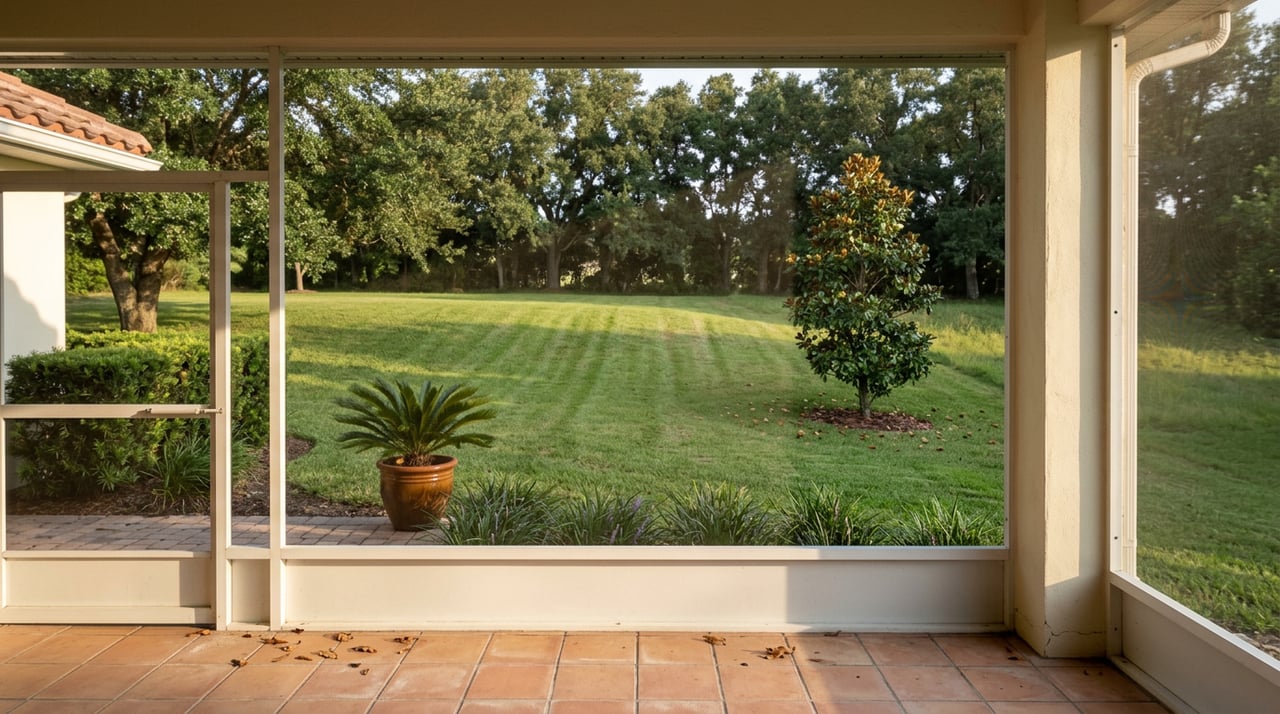
If you enjoy getting outside without leaving the city behind, Winter Park offers a strong balance. You can spend time in a downtown park, visit a garden, walk near the lakes, or work outdoor stops into your normal weekend routine. That is a meaningful quality-of-life feature, especially if you want access to nature without giving up urban conveniences.
Lake Living and Local Traditions
Lakes are part of the Winter Park experience in a very visible way. The city’s lake and stormwater resources explain that the Winter Park Chain of Lakes is tied to the Howell Branch drainage system, reinforcing how connected water is to the city’s landscape and planning.
For many residents and visitors, the lakes are not just scenery. The city promotes its Scenic Boat Tour as a narrated one-hour cruise past homes and lakes, which gives you a good sense of how waterfront settings shape the community. Even if you are not looking for direct lakefront property, the presence of lakes contributes to the city’s atmosphere and visual appeal.
Winter Park also keeps some long-running local traditions alive. The Saturday Farmers’ Market operates in Central Park West Meadow from 8 a.m. to 1 p.m., offering a recurring reason to spend time downtown. It is one more example of how public space, local events, and everyday convenience come together here.
Arts and Culture in Daily Life
Winter Park has an unusually strong cultural profile for a city its size. If you want a place where museums and arts events are part of the local routine, that is a real plus. You do not need to drive into a larger downtown every time you want access to a cultural amenity.
The Rollins Museum of Art offers free admission, and its satellite location at The Alfond Inn features more than 100 artworks from the collection. The Morse Museum is internationally known for its Louis Comfort Tiffany holdings, including the largest collection of objects and architectural elements from Tiffany’s Laurelton Hall.
Winter Park also hosts major public events. The city says the annual Winter Park Sidewalk Art Festival brings in more than 250,000 visitors to Central Park. For residents, events like this add energy and reinforce the city’s reputation as a place where culture is built into community life.
What Homes Look Like in Winter Park
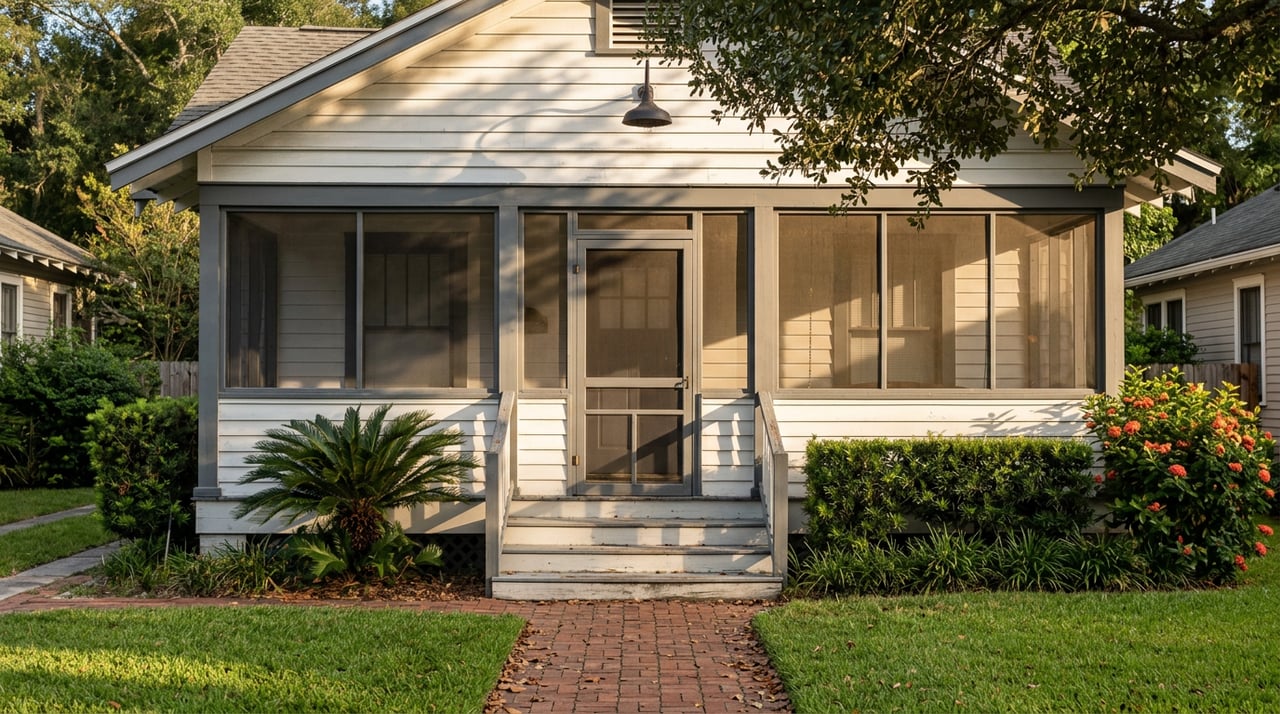
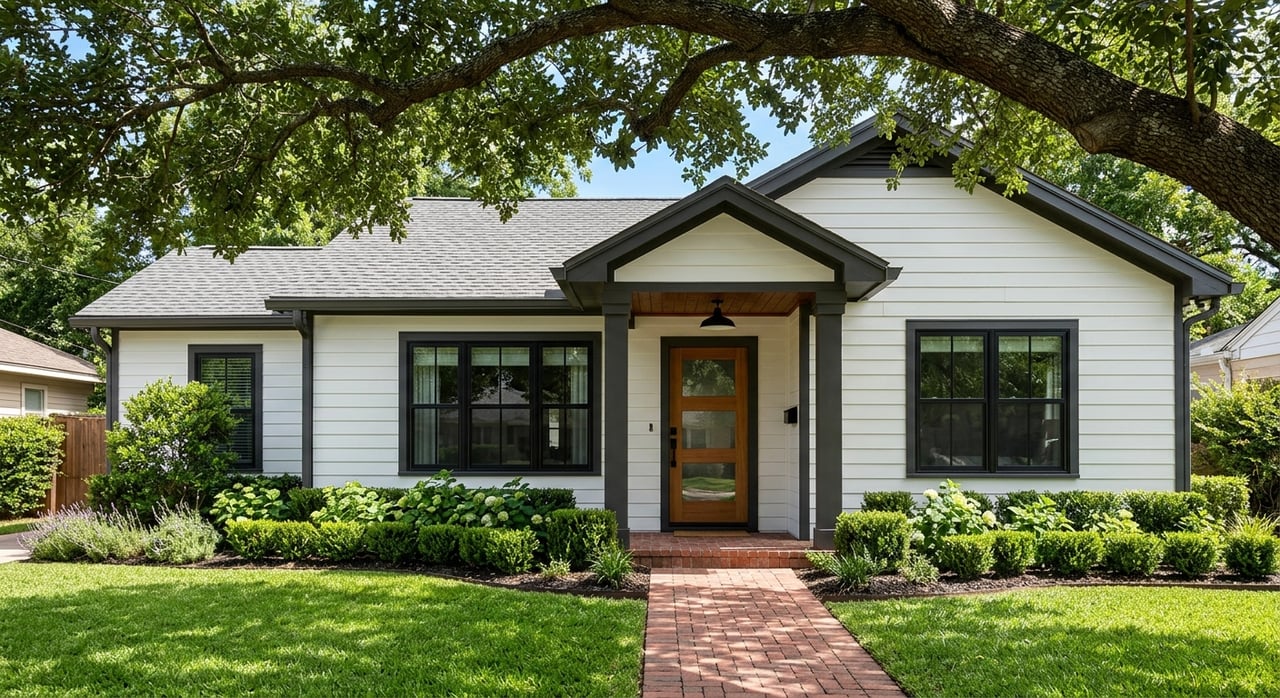
Housing is one of the biggest reasons Winter Park attracts attention. The city’s preservation materials describe a mix that includes imposing estates, modest bungalow neighborhoods, and landmark buildings. That gives the housing stock more architectural variety than you may find in many newer master-planned communities.
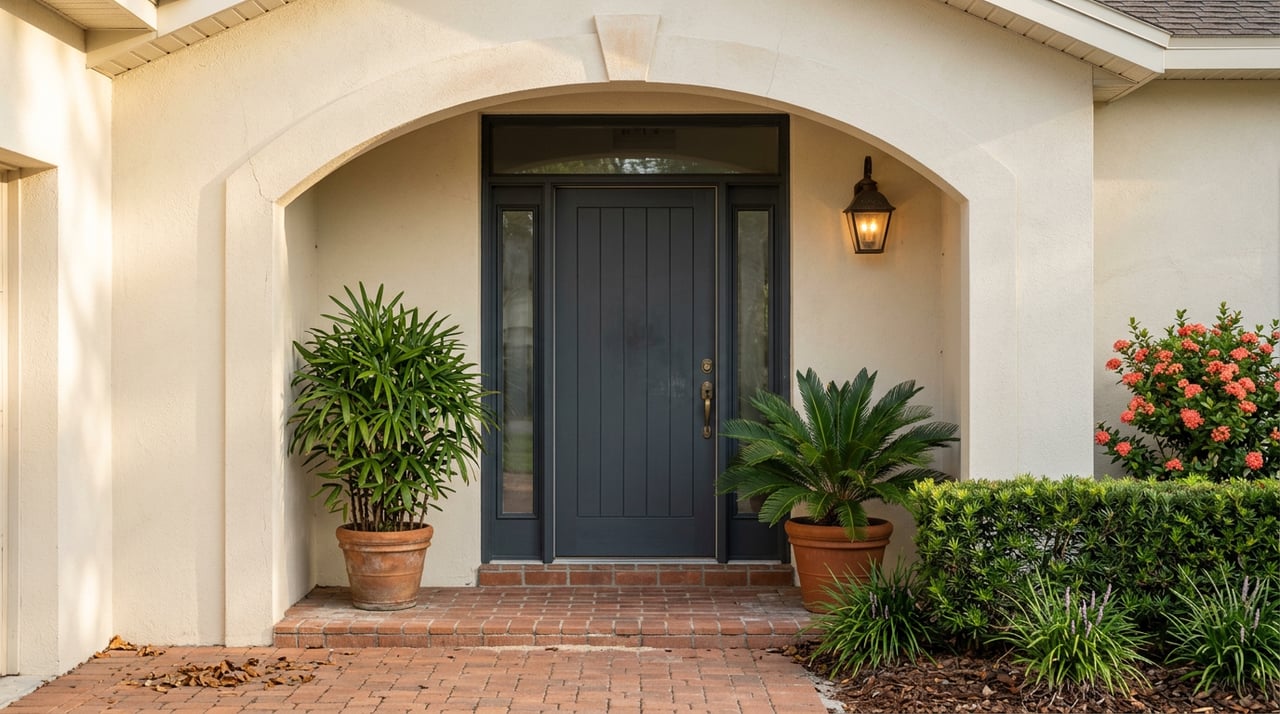
Winter Park’s historic survey identifies Bungalow, Colonial Revival, Spanish Colonial, Mediterranean Revival, and Mission Revival as some of the most prevalent styles from 1904 to 1930. If you are drawn to older homes with distinctive design details, Winter Park offers a strong architectural identity rooted in that period.
The city also notes that Hannibal Square is a historically African-American section where residences are mostly simple one- or one-and-one-half-story frame bungalows with porches. It is important to approach housing in Winter Park with an understanding that different parts of the city developed in different ways, and that local character often comes from that layered history.
More Than Historic Single-Family Homes
Winter Park is not only made up of older detached homes. The city’s comprehensive plan includes future land-use policies for single-family homes, accessory units, attached townhouses, duplexes, cluster housing, and medium-density multifamily development.
That matters if you are moving to Winter Park with different goals or budget needs. You may be searching for a historic home near established streetscapes, or you may prefer a townhouse, condo-style setting, or another lower-maintenance option in selected areas. The housing mix is broader than many people expect at first glance.
For buyers, that means Winter Park can appeal to more than one lifestyle. It can work for someone who wants historic character, someone who wants convenience near downtown, or someone who values a more compact housing option with access to the city’s amenities.
Price Point and Market Reality
Winter Park is generally considered a premium market, and the numbers support that. According to Census QuickFacts for Winter Park, the median owner-occupied home value is $731,400, compared with $359,000 for Florida overall. That is a significant difference and an important factor if you are planning your move or comparing nearby cities.
The same data shows a 66.2% owner-occupied rate, a median gross rent of $1,738, and a mean commute time of 22.0 minutes. These figures help frame Winter Park as a city with strong owner occupancy, meaningful rental demand, and fairly manageable commuting patterns within the broader region.
If you are considering a move here, it helps to go in with a clear strategy. In a higher-value market, preparation matters. Buyers often benefit from understanding the trade-offs between location, housing style, lot size, and proximity to downtown or the lakes.
Getting Around Winter Park
One of Winter Park’s practical advantages is the connected nature of its downtown core. The Winter Park SunRail station is located near Morse Boulevard and Park Avenue, and it is described as being within a short walk of Central Park, Park Avenue, Rollins College, and nearby residential areas.
That does not mean every part of Winter Park functions the same way, but it does show that some key destinations cluster together in a convenient pattern. If you value the option to combine rail access, dining, parks, and errands in one area, Winter Park offers a level of connectivity that stands out in Central Florida.
For many people, that mix of local walkability and regional access is part of the city’s appeal. You can enjoy a more established, amenity-rich setting while staying connected to the larger Orlando area.
Is Winter Park Right for You?
Winter Park tends to appeal to buyers who want more than a house alone. You may be looking for architectural character, a recognizable downtown, mature trees, access to lakes, and cultural amenities that feel woven into daily life. If that is your priority, Winter Park offers a compelling combination.
At the same time, it is wise to match your expectations with the market. The city’s premium pricing, varied housing stock, and preservation-minded identity can make it very rewarding, but also more nuanced to navigate. Knowing where to look and what trade-offs matter most to you is key.
If you are exploring Winter Park or comparing it with other Central Florida communities, working with a local guide can help you narrow down the right fit faster. Whether you are relocating, searching for a distinctive home, or preparing to sell in a competitive market, Autumn Makin can help you move forward with clear, thoughtful guidance.
FAQs
What is Winter Park, Florida, known for?
- Winter Park is known for its historic character, Park Avenue shopping and dining, lakes, strong tree canopy, museums, and a compact downtown setting.
What types of homes can you find in Winter Park?
- Winter Park includes historic estates, bungalow neighborhoods, early 20th-century revival styles, and selected areas with townhouses, duplexes, accessory units, and multifamily housing.
Is Winter Park an expensive housing market?
- Census QuickFacts lists Winter Park’s median owner-occupied home value at $731,400, which is well above the Florida median of $359,000.
Can you get around downtown Winter Park without a car?
- In the downtown area, the SunRail station, Park Avenue, Central Park, Rollins College, and nearby housing are all described as being within a short walk of one another.
What outdoor amenities does Winter Park offer residents?
- The city reports 75 parks, 335 acres of parkland, more than 75,000 trees, lake access and views, gardens, trails, and regular outdoor community events like the Saturday Farmers’ Market.