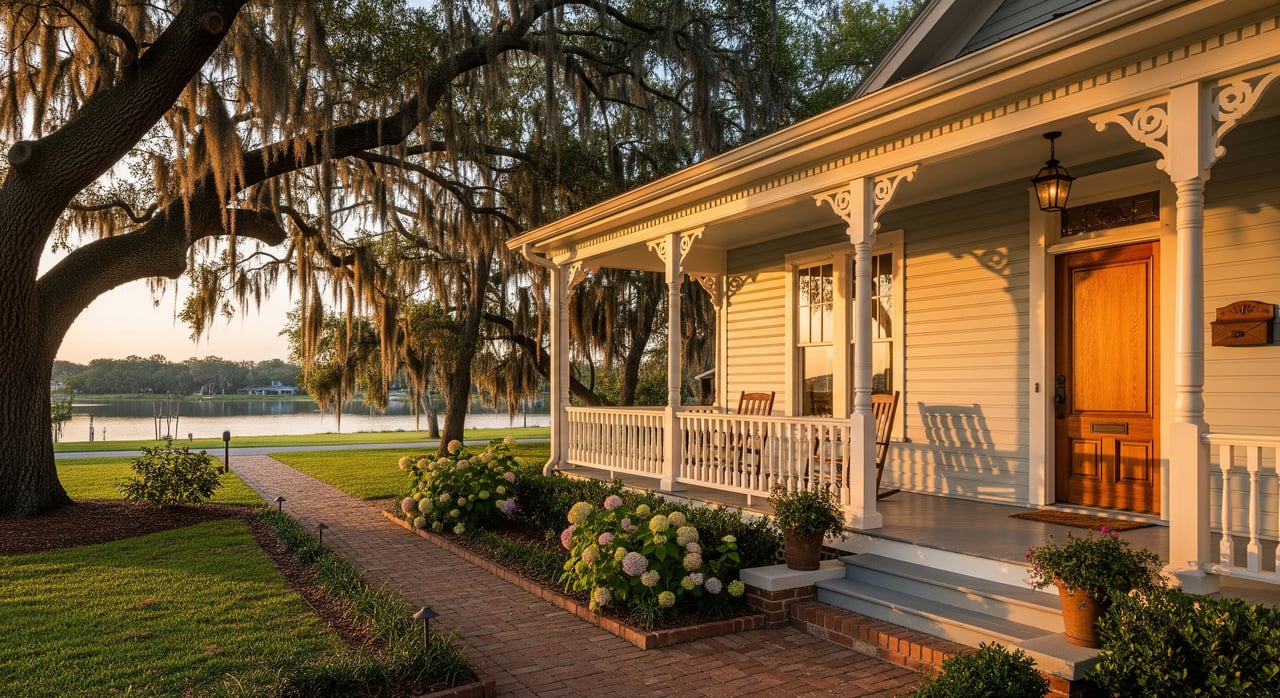
Thinking about selling your vintage Mount Dora bungalow or Victorian? Pricing a historic home is different from pricing a newer one, and small missteps can cost you real money. You want a fair number that reflects your home’s character, condition, and what buyers expect in this market. In this guide, you’ll learn a step-by-step process to value period features, document updates, choose the right comps, and plan smart improvements that protect your property’s history while boosting appeal. Let’s dive in.
Confirm historic status and restrictions
Before you set a price, confirm your home’s designation and any restrictions. Check whether you are inside a local historic district or subject to preservation covenants or easements. Review your permitting history and any recorded restrictions with the Lake County Property Appraiser or county records.
Why this matters: rules for exterior changes, materials, or additions can influence your buyer pool and timeline. Clear documentation helps buyers feel confident and can support stronger pricing.
Inventory period features and integrity
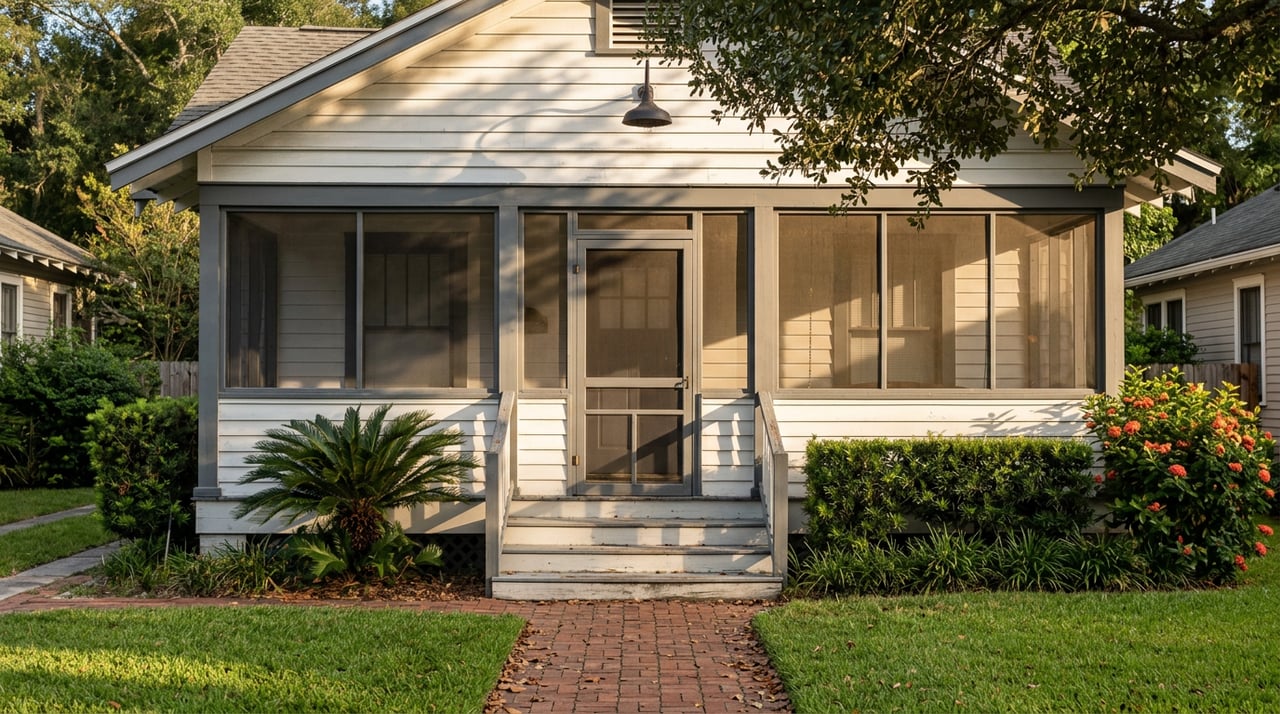
Walk room by room and list character-defining elements. Note windows, doors, moldings, wood floors, fireplaces, built-ins, staircases, porches, roof form, and original exterior siding. In Mount Dora, buyers often ask about front porches, millwork, and intact wood floors.
Rate each item for integrity: Original/Intact, Restored/Sympathetic, Altered/Non-Original, or Missing. Photograph everything, including exterior elevations, interior details, and mechanicals. A detailed inventory helps appraisers and buyers understand where your home shines.
Document updates, permits, and systems
Gather receipts, permits, and warranties for your roof, HVAC, electrical panel, plumbing, foundation repairs, septic or sewer, and any window work. Note completion dates and whether each item was permitted. Unpermitted work can reduce value or require remediation after contract.
Buyers of historic homes expect character plus dependable systems. Presenting a clean paper trail lowers their perceived risk and supports your price.
Assess condition and cost to cure
Place your home in a condition category for pricing adjustments:
- Excellent: updated mechanicals, preserved character, fresh presentation.
- Good: sound structure, some cosmetic needs.
- Fair: deferred maintenance or mechanical issues.
- Poor: structural or major system replacement needed.
Request written estimates for known issues, like roof life, HVAC replacement, structural items, or termite remediation. Use those “cost-to-cure” figures to calibrate your list price. Transparency on known costs can keep your deal on track and protect your net.
Build comps that fit Mount Dora
The sales comparison approach is your primary tool. Start with recent, nearby sales of homes with similar age, size, lot, style, and condition. If true historic comps are scarce, expand your search radius slightly and adjust for character features, integrity, and systems.
Adjustments should reflect tangible differences: an intact front porch, original millwork, a documented new roof, or a re-wired electrical system. Lean on local MLS data and Lake County sales records, and partner with a broker who knows Mount Dora’s historic inventory. When in doubt, err on conservative premiums unless comps support them.
Use secondary valuation checks
- Cost approach: estimate land value plus replacement cost, minus depreciation. For historic homes, replacement costs should account for specialized restoration and custom materials.
- Income approach: only relevant if the home is or could be an income-producing property. If you consider rental potential, confirm local regulations first and reflect realistic operating figures in your analysis.
These methods are cross-checks, not substitutes for strong comps.
Apply timing and narrative adjustments
Market timing matters. If inventory is tight and demand is high, you can price near the top of your comp range. If conditions soften, build room for negotiation. Seasonality, local events, and buyer activity around downtown can influence showing traffic and urgency.
Also factor the intangible value of provenance and unique features. Use that story as a marketing premium, but keep your numeric price tied to comps unless repeat sales show a consistent uplift for similar attributes.
A 3–12 month pricing plan
If listing within 3 months:
- Fix safety or mechanical issues and document all work.
- Pull permits where required and organize receipts and warranties.
- Price to current condition with clear cost-to-cure disclosures.
If listing within 3–6 months:
- Complete permitted mechanical upgrades if needed.
- Address curb appeal items, including roof, gutters, and porch repairs.
- Assemble your provenance and systems packets and plan professional photos.
If listing within 6–12 months:
- Consider sympathetic kitchen and bath updates that respect period details.
- Seek a pre-listing appraisal or broker opinion using historic comps.
- If exterior changes are planned, coordinate early with the local historic board.
Improvements that protect value
High-priority repairs with strong return:
- Mechanical systems: HVAC, electrical panel, and plumbing brought to modern safety standards.
- Roof and drainage: active leaks or poor drainage depress value and scare buyers.
- Structural and safety: foundation repairs, termite or mold remediation, with permits and documentation.
- Lead-based paint: for pre-1978 homes, prepare to provide required disclosures and plan for safe practices.
Medium-priority upgrades that drive appeal:
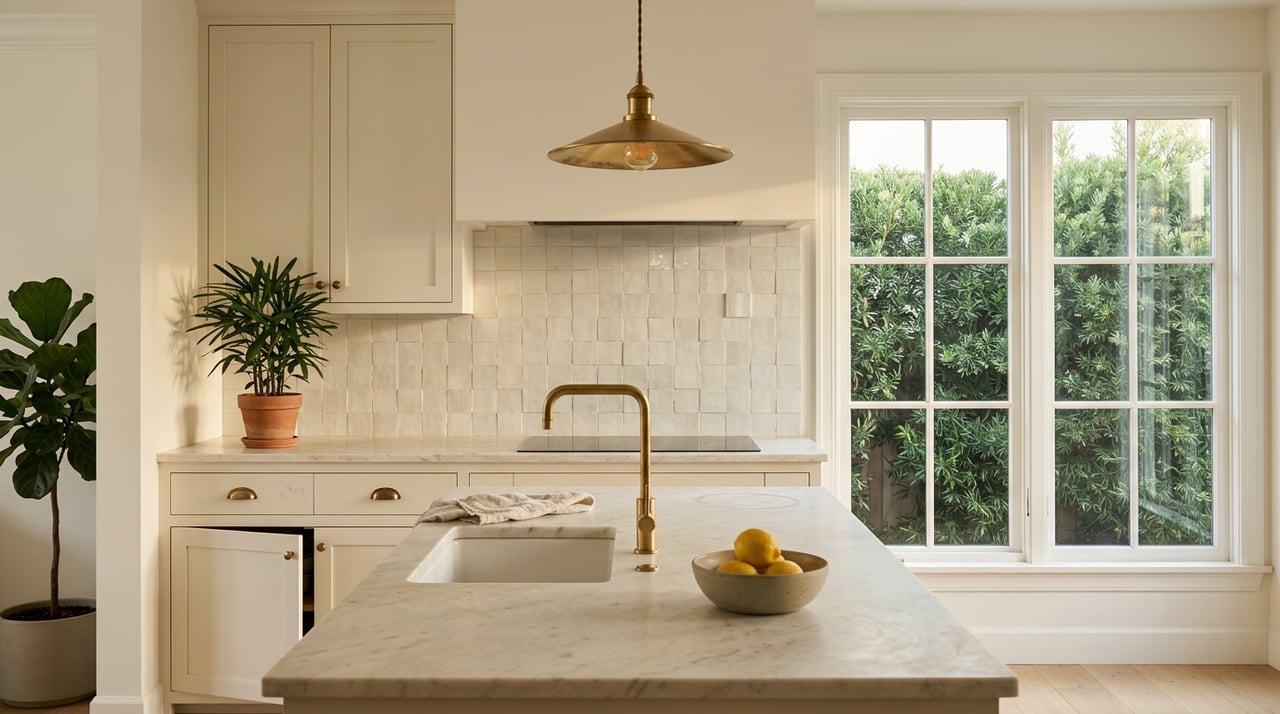
- Kitchens and baths updated in a sympathetic style that keeps sightlines to original features.
- Refinish original hardwoods and repair rather than replace.
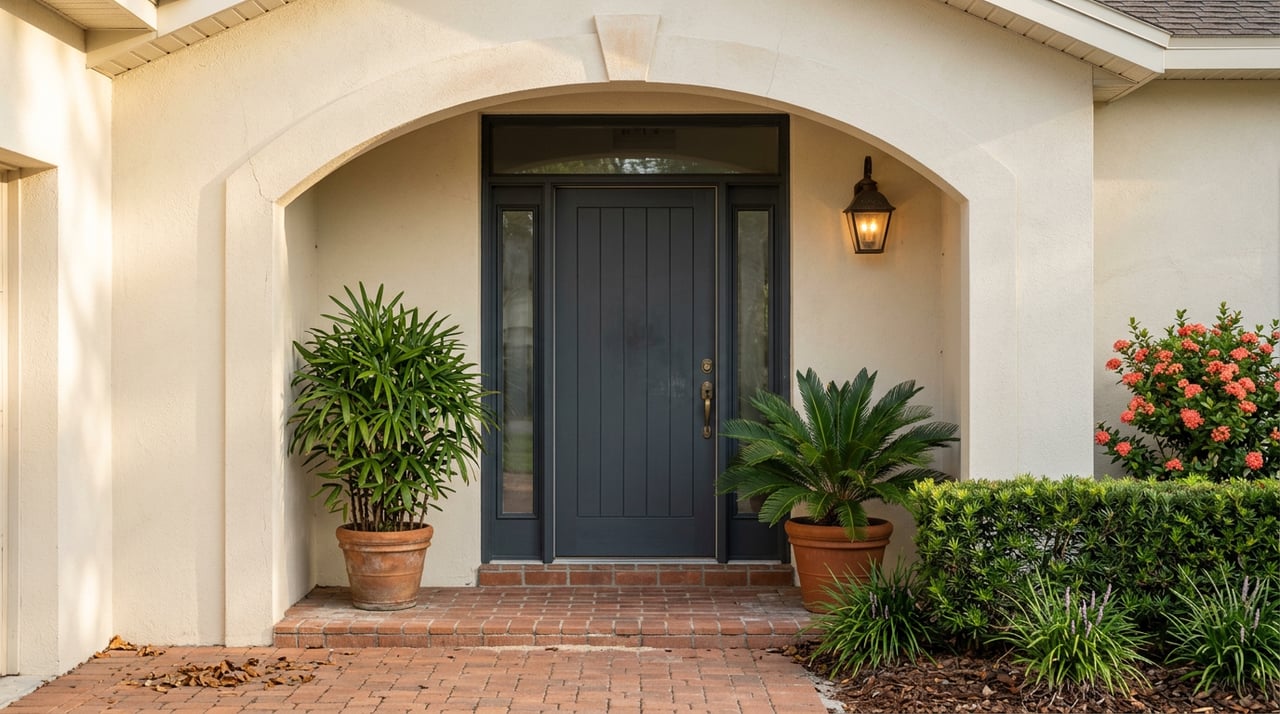
- Restore porches and entries, which are high-impact for curb appeal.
- Repair and weatherstrip original windows to function properly; replacement is not always the best value choice.
Lower-priority or situational items:
- Full exterior material replacement when repair is feasible. If replacement is necessary, use materials acceptable to local guidelines.
- High-end gut remodels that erase character. These can broaden appeal to some buyers but may reduce value for preservation-minded buyers and create review hurdles.
Practical tactics:
- Favor reversible energy upgrades, like storm windows and attic insulation, or zoned HVAC.
- Keep original trim profiles and proportions when updating kitchens and baths.
- Hire contractors experienced with historic homes and keep written scopes, permits, and warranties.
Appraisal, legal, tax, and insurance essentials
Appraisal considerations:
- Appraisers should have experience with historic properties and must comment on comps, character features, and restoration costs.
- Expect the sales comparison method, with cost approach as a reasonableness test. Appraisers may adjust for functional obsolescence where systems are not updated.
Legal and disclosure items:
- Lead paint: federal law requires sellers of most pre-1978 homes to give buyers the EPA/HUD pamphlet and disclose known hazards.
- Florida disclosures: make accurate, complete seller disclosures. Note any unpermitted work and known issues.
- Preservation restrictions: disclose known designations, easements, and approval requirements for exterior changes.
Insurance and hazards:
- Replacement-cost coverage should reflect the true cost to repair period features and custom millwork.
- Confirm your flood zone, especially near lakes, and price with flood insurance needs in mind if applicable.
Tell the home’s story with proof
A strong narrative helps buyers value what they see. Build a provenance packet with year built, any designations, notable owners or architects if known, and a timeline of renovations with permits. Add historical photos where available and current professional photography that highlights porches, staircases, floors, and millwork.
Back the story with a systems packet. Include warranties, inspection reports, and contractor scopes for recent work. Floor plans help remote buyers understand flow and furniture fit, which expands your pool and supports premium pricing.
Avoid common pricing mistakes
- Overpricing for uniqueness without comps. Let documented sales support your premium.
- Replacing original materials that could have been repaired. Authenticity is a value driver in Mount Dora.
- Listing before solving key mechanical issues. Buyers will overestimate repair costs and discount your price.
- Skipping permits and documentation. Gaps in paperwork reduce confidence and value.
- Vague claims about designations or restrictions. Be precise to avoid surprises during escrow.
Your Mount Dora selling game plan
Pricing a historic home is part science, part storytelling. When you verify your designation, catalog period features, document updates, and build comps that reflect Mount Dora’s market, you set a confident price and reduce friction during escrow. Thoughtful, sympathetic improvements and professional presentation can turn your home’s history into real value.
If you want help crafting the plan, staging design, and video-backed marketing that attracts the right buyers, connect with Autumn Makin for a hands-on consultation. Her local expertise, in-house design, and polished marketing can shorten days on market and protect your price.
FAQs
How do I confirm if my Mount Dora home is in a historic district?
- Check your legal description and parcel records, then verify with the City’s historic preservation office; confirm any overlays, easements, or exterior review requirements before planning work.
Which period features add the most value when pricing?
- Authentic, intact elements like original wood floors, millwork, porches, and staircases often support stronger pricing when combined with reliable systems and documentation.
Do I need to replace original windows before selling?
- Not necessarily; repaired, weatherstripped original windows that function well can preserve character and value, while full replacement can reduce appeal for preservation-minded buyers.
How does unpermitted work affect my sale price in Florida?
- Unpermitted projects can lower value, delay closing, or require remediation; disclose clearly and be prepared with estimates or permit corrections to keep negotiations smooth.
What is the best time to list a historic home in Mount Dora?
- Price strategy should reflect current demand and inventory; when activity is strong, price near top comps, and when conditions soften, allow room for negotiation.
Will historic designation make appraisal or financing harder?
- It can narrow the buyer pool for those wanting unrestricted changes, but experienced appraisers and thorough documentation help lenders and buyers understand value and reduce risk.