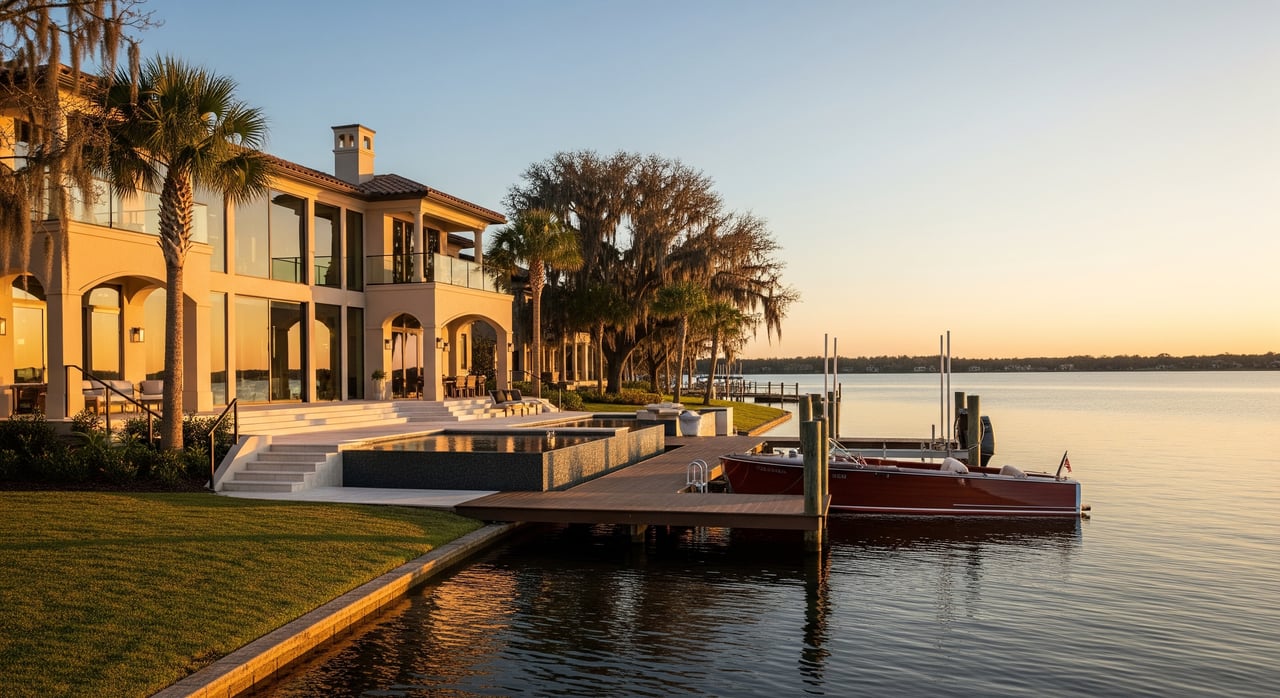
Imagine stepping out your back door to calm morning water, then cruising to lunch before sunset fishing on a quiet cove. If you’re drawn to lake life with small-city convenience, Leesburg’s stretch of the Harris Chain offers a lot to love. You might be wondering about boating access, everyday maintenance, and what types of homes line the shore. This guide walks you through how the chain works, where you can launch, what to expect from waterfront homes, and the key permits and protections to consider before you buy. Let’s dive in.
Harris Chain at a glance
Leesburg sits on the western side of the Harris Chain, with neighborhoods along Lake Harris and Little Lake Harris. These are connected freshwater lakes with broad open water in many areas and coves lined by vegetation near the shoreline. Water levels and clarity can shift with the seasons and rainfall.
Local agencies manage lake levels, invasive plants and restoration projects. You’ll see ongoing attention to hydrilla and algae in certain years, along with water-quality monitoring and vegetation control. When boating, be mindful of shallow areas and shoals, especially near shore and in vegetated zones where draft and prop damage are more likely.
Boating life and navigation
Most day-to-day boating on the Harris Chain happens through open channels and connecting canals between lakes. Locks are not part of typical intra-chain trips. If you plan a longer run toward other waterways, check current navigation advisories, canal depths and any lock operations with the managing agency.
Before you explore new routes, confirm seasonal canal depths and bridge clearances. Local marina operators and NOAA nautical charts are helpful references for depth and obstructions. Always slow to idle in tight residential canals and near parks, and keep an eye out for posted no-wake zones.
Florida boating laws apply here. Make sure your vessel registration and required safety equipment are up to date, everyone has a properly fitted PFD, and you follow speed limits and no-wake rules. Conditions can change quickly after storms or during aquatic-plant treatments, so monitor advisories when planning weekend runs.
Public ramps and marinas
Leesburg and Lake County offer multiple public access points, including city parks with boat ramps and county-run facilities. Venetian Gardens in central Leesburg is a well-known waterfront park with shoreline access and boating-related amenities close to downtown. Nearby Ferran Park along Little Lake Harris, as well as other county parks, add piers, picnic areas and places to enjoy the water from land.
Across the chain you’ll find a mix of full-service marinas with fuel, slips and mechanical service, plus smaller marinas, boatyards and storage options. Covered storage and winterization services tend to be more available near the larger marinas around Tavares and Eustis. If you run a larger vessel, verify marina depth, basin size and fuel availability in advance.
Quick access tips:
- Check ramp hours, fees and any temporary closures on city or county pages before towing over.
- Holiday weekends can bring long ramp lines. Plan an early launch or keep a backup ramp in mind.
- Ask nearby marinas about seasonal vegetation patterns that may affect certain canals.
Parks and everyday recreation
Waterfront parks add a lot to daily life on the Harris Chain. Venetian Gardens serves as a focal point for festivals, concerts and family recreation. Ferran Park and other county parks offer fishing piers, picnic areas and walking paths along the water.
On the water, you’ll see cruising, watersports in permitted areas, kayaking, canoeing, paddleboarding and plenty of freshwater fishing. Bass, crappie, bluegill and catfish are common targets, and bass tournaments bring added traffic on certain weekends. Leesburg’s downtown restaurants, shops and historic spots are near many waterfront neighborhoods, so you get lake access with convenient in-town amenities.
What waterfront homes look like
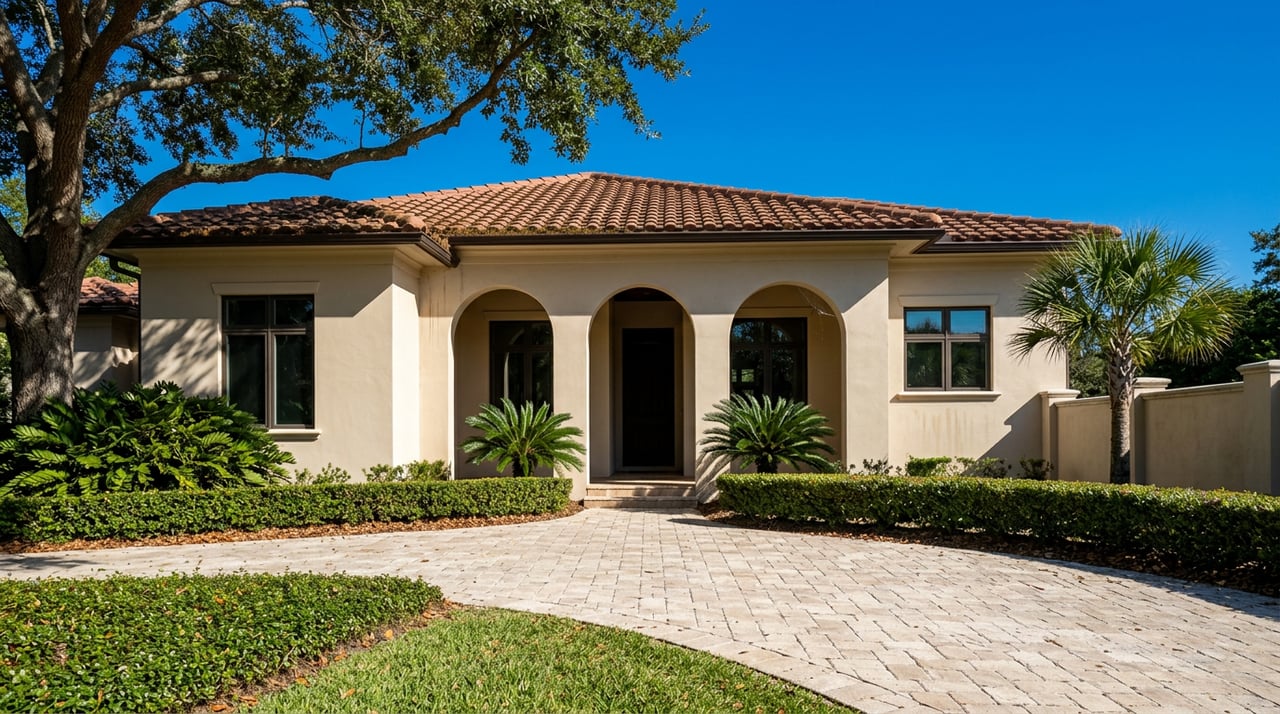
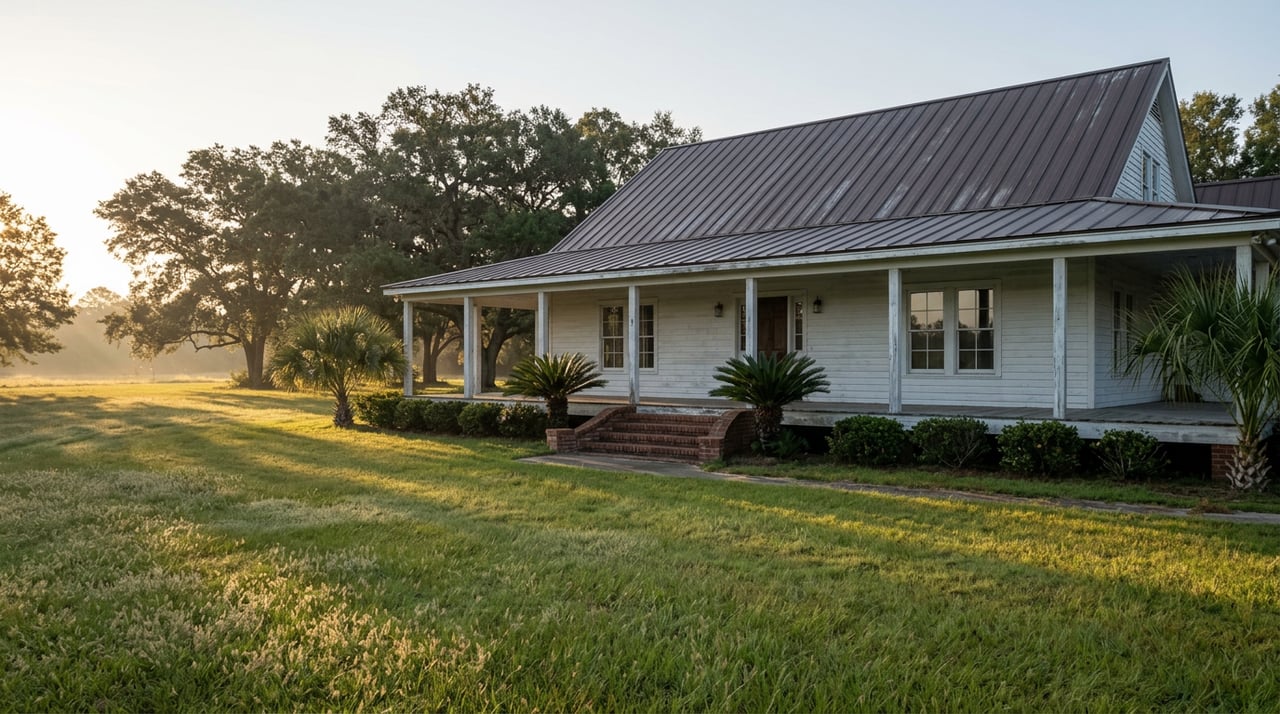
Leesburg’s waterfront housing runs the full spectrum. Closer to downtown, you’ll find older cottage and ranch-style homes on smaller lots, some of them rebuilt or renovated. Canal-front streets often include mid-century homes with private docks and older seawalls.
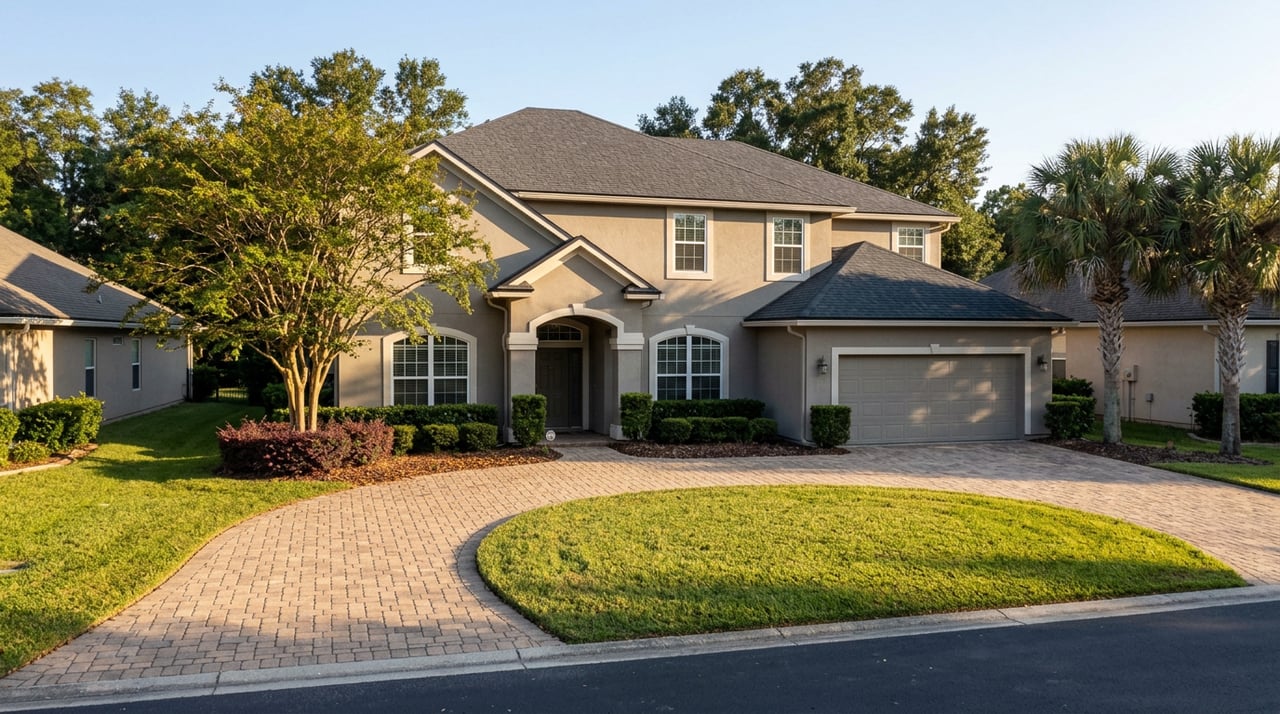
You’ll also see newer custom homes and gated communities with larger lots, modern docks and lifts, and upgraded seawalls or bulkheads. In select areas, low- to mid-rise condos and townhomes offer shared docks and community amenities that reduce personal maintenance.
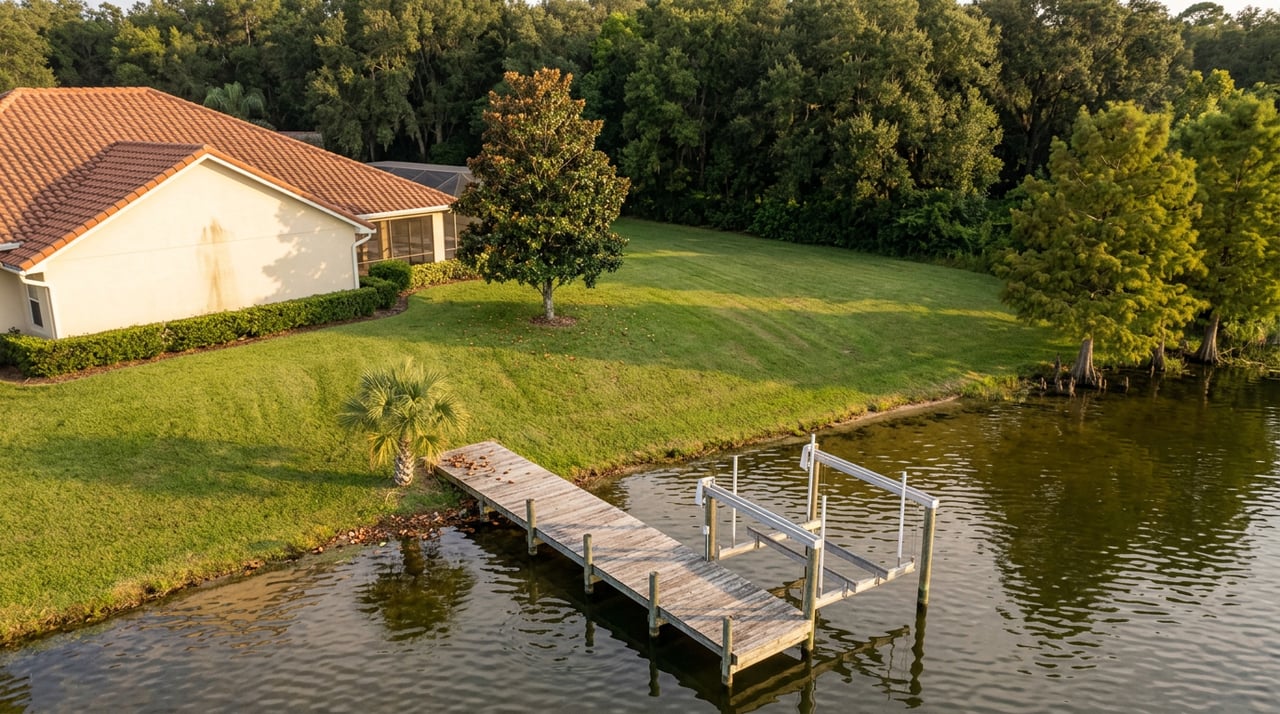
Dock and shoreline structures vary widely in condition, size and permitting. Always verify dock ownership, easements and maintenance history during due diligence. Shoreline stabilization is common, and replacing or modifying a seawall typically requires permits from local and regional authorities.
Ownership costs and protections
Buying on the water brings unique costs and protections you should plan for upfront.
- Flood insurance and risk: Many waterfront properties fall within FEMA flood zones. Lenders often require flood insurance, and premiums depend on elevation, flood zone and mitigation. A flood map review early in your search helps you budget accurately.
- Septic vs. sewer: Some lakefront homes use septic systems, while others connect to municipal or community sewer. Verify which system serves the property, review maintenance records and check for any planned sewer expansions.
- Ongoing maintenance: Expect routine dock and lift repairs, seawall inspections, vegetation control and more frequent exterior upkeep due to humidity and water exposure.
- Boat logistics: Consider your plan for slips, lifts and trailer storage. Community covenants may set rules for boat size, overnight docking and lighting. Ramp congestion on peak weekends is a real factor for trailered boats.
Water quality and seasonal changes
The Harris Chain experiences seasonal fluctuations in clarity and aquatic vegetation. Algae blooms or vegetation mats can appear at times, and storm runoff may affect visibility. Local water agencies and restoration groups actively manage treatments and projects designed to improve long-term health. As a buyer, it helps to track recent water-quality updates and ask neighbors or marina staff about current conditions.
Permits, rights and rules
A few key items to review before you write an offer:
- Dock and shoreline permits: Confirm that existing docks and seawalls are permitted and up to code. Most new work or replacements require permits from Lake County and the St. Johns River Water Management District, with the possibility of additional state or federal review depending on scope.
- Riparian rights: Florida law generally grants waterfront owners certain rights to access and reasonable dock use, but specific deeds, covenants and ordinances can affect placement and usage. A title review and consultation with a qualified local professional is smart.
- No-wake and watersports restrictions: Narrow canals, residential corridors and park areas often have posted no-wake zones. Follow posted signs and Florida Fish and Wildlife Conservation Commission rules.
Choosing the right lot and dock
Use this quick checklist as you evaluate properties:
- Water depth at low water and distance to open lake.
- Bridge clearances along your route to main water.
- Permitted dock dimensions, lift capacity and age of pilings or hardware.
- Seawall material, age, visible cracks or settlement and neighbor tie-ins.
- Lot elevation, flood zone, drainage paths and gutter outfalls.
- Canal width, posted no-wake zones and typical boat traffic.
- Sun exposure on the dock and prevailing afternoon winds.
- Space for trailer storage and any HOA restrictions.
- Proximity to your preferred ramp, marina fuel and service providers.
- Weekend tournament or event schedules that may affect noise and traffic.
Daily life and downtown access
Living on Lake Harris or Little Lake Harris puts you close to Leesburg’s downtown for dining, errands and community events while keeping the water at your back door. Many neighborhoods blend quiet streets with quick access to parks and boat ramps, so you can choose mornings on the lake and evenings in town without a long drive either way.
How a local guide helps
Waterfront purchases benefit from precise checks on permits, structures, insurance and boating logistics. A local agent who works these lakes regularly can help you compare neighborhoods, confirm dock details and connect you with trusted vendors for inspections, seawall assessments and lift quotes.
With design-forward listing prep, video-backed marketing and deep local knowledge across Lake County communities, a hands-on partner can make the process smoother whether you are buying your first lake home or selling to move up. If you’re weighing waterfront life in Leesburg, reach out to Autumn Makin for neighborhood insight, on-the-water context and a step-by-step plan tailored to your goals.
FAQs
Can I travel Lake Harris to Little Lake Harris without locks?
- Yes. Day-to-day boating on the Harris Chain uses open channels and canals, not routine locks, but you should verify seasonal depths and bridge clearances with the managing agency.
What boating rules apply on the Harris Chain?
- Florida Fish and Wildlife Conservation Commission laws apply, including registration, PFDs and no-wake zones near shore and in narrow canals; follow posted signs and local limits.
Are there public boat ramps in Leesburg?
- Yes. The city and county operate multiple ramps, including waterfront parks like Venetian Gardens; hours and fees vary, so check official listings before you go.
What types of waterfront homes are common in Leesburg?
- You’ll find older cottages and ranches, mid-century canal-front homes, newer custom and gated options with modern docks, and select condos or townhomes with shared docks.
Will I need permits to repair a dock or seawall?
- Most repairs and replacements require permits from Lake County and the St. Johns River Water Management District, and sometimes other agencies depending on project scope.
Do I need flood insurance for a lakefront home in Leesburg?
- Many properties are in FEMA flood zones; lenders often require flood insurance, with premiums based on elevation, zone and mitigation—get a flood map review early in your search.